


.png)

Sustainability in the wine industry: A green future for wine
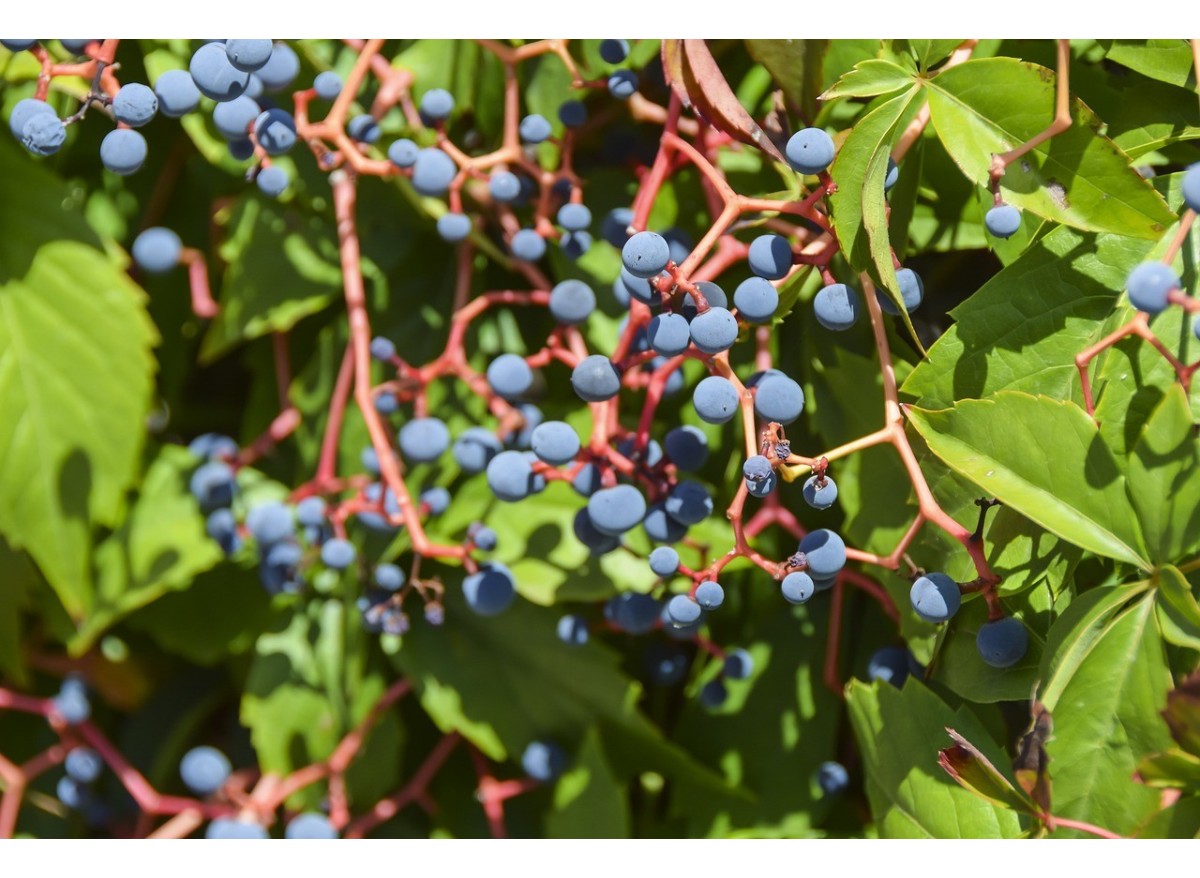
The world of wine, a universe of aromas, flavours and emotions, is changing. Not only is there a quest for innovation in the development of new styles and the search for more complex flavours, but also a profound awareness of the environmental impact of the wine industry. Sustainability has become a fundamental pillar, a moral imperative and a strategic necessity for the future of wine.
The wine industry, with its vineyards that stretch across landscapes of unique beauty, its wineries steeped in history and tradition, and its production that has captivated palates for centuries, has a direct impact on the environment. From water and energy use to vineyard management and winemaking, every stage of the production process has consequences for the planet. Sustainability in the wine industry is not just a passing fad, but a responsibility towards the future, a search for harmony between the production of quality wines and the preservation of the environment.
Sustainability in the wine industry means adopting responsible practices at every stage of the process, from grape growing to packaging and distribution. It is a commitment to the planet, a long-term vision that seeks to minimise the environmental impact of wine production, preserving natural resources for future generations.
The vineyard, the heart of wine production, is a complex ecosystem that requires special care to maintain its balance and health. Sustainability in vineyards is based on the application of practices that minimise environmental impact and maximise grape quality.
Organic farming is one of the most important practices for sustainability in the wine industry. It is based on the use of natural methods for pest and disease control, soil fertilisation and water management. Instead of resorting to chemical pesticides and fertilisers, techniques such as crop rotation, biological pest control, the use of organic fertilisers and the application of soil management techniques that promote biodiversity are used.
Biodynamic farming is an even more holistic approach than organic farming, which considers the farm as a whole ecosystem, and seeks a balance between plants, animals and soil. Biodynamic farming uses a holistic management system that considers soil fertility, biodiversity, animal health and human health. It is based on the observation of nature and the use of biodynamic preparations, organic substances that are prepared according to a lunar calendar and used to revitalise the soil and plants.
Precision agriculture uses advanced technology to optimise the use of resources such as water and fertilisers, reducing environmental impact and improving efficiency. Sensors, drones and geolocation systems enable grape growers to obtain accurate information on soil conditions, plant health and vineyard condition, allowing them to adjust cultivation practices in a personalised way, avoiding excessive use of resources and minimising environmental impact.
Water is an essential resource for grape growing, so water management is crucial for sustainability. Sustainable practices include the use of efficient irrigation systems, such as drip or sprinkler irrigation, which allow water to be applied precisely, reducing consumption and avoiding waste. Other important measures are the reduction of water consumption in general, the management of water resources, rainwater harvesting, the use of treated wastewater and the implementation of smart irrigation systems that adapt to the climatic conditions and the needs of the vineyard.
Biodiversity is fundamental to the health of the ecosystem and to the production of quality wines. Sustainability in the wine industry involves protecting biodiversity in vineyards, through practices such as creating habitats for wildlife, reducing the use of pesticides and managing soils. It is important to maintain the diversity of plant, animal and insect species in vineyards, as these species play a key role in ecosystem balance, pollination, pest control and soil fertility.
Winemaking, a complex process involving the transformation of grapes into a nectar of flavours and aromas, also has an environmental impact. Wineries are adopting sustainable practices at every stage of winemaking, from receiving the grapes to packaging and distribution.
The use of renewable energy, such as solar and wind power, is key to reducing greenhouse gas emissions. Wineries are installing solar panels on their roofs, using wind turbines to generate clean energy and are implementing efficient energy management systems to optimise energy use.
Wineries are taking measures to reduce energy consumption, such as installing efficient lighting systems, optimising the use of machinery and using energy-efficient refrigeration equipment. Energy efficiency has become a priority for wineries, reducing energy costs and reducing environmental impact.
Responsible waste management is fundamental to sustainability. Wineries are implementing recycling and composting systems, and are looking for ways to reuse waste to reduce environmental impact. The recycling of glass, cardboard, paper and plastic, the use of organic waste for the production of compost and the search for alternatives for the use of wood are some of the measures being adopted.
Glass and cork containers are traditional in the wine industry, but more sustainable alternatives are being sought, such as the use of recycled glass bottles, recycled cork stoppers and eco-labels. Reducing the weight of bottles, using recycled materials and looking for biodegradable or compostable packaging are some of the options being explored to reduce the environmental impact of wine packaging.
Sustainability in the wine industry offers numerous benefits for both the environment and consumers. It helps to protect the environment by reducing greenhouse gas emissions, conserving water resources, protecting biodiversity and improving soil quality. Sustainable practices contribute to combating climate change, protecting ecosystems and preserving the planet for future generations.
Sustainable practices can improve wine quality by helping to produce better quality grapes with more intense aromas and flavours. Soil health, biodiversity and responsible resource management contribute to grape quality, resulting in wines with greater complexity, deeper aromas and more intense flavours.
Consumers are increasingly interested in sustainable products, making sustainability an important factor for wineries' brand image. Consumers are looking for brands that are committed to sustainability, that are committed to responsible practices and that care for the planet.
Sustainability in the wine industry also involves social responsibility, as it seeks to improve the working conditions of employees and promote the economic development of local communities. Sustainable wineries implement responsible labour practices, promote fair trade and seek to have a positive impact on local communities, contributing to economic and social development.
Sustainability in the wine industry is a path to the future, a future where the quality of wine and the protection of the planet go hand in hand. Wineries that are committed to sustainability are not only contributing to the protection of the environment, but are also creating higher quality wines and building a stronger and more responsible brand image.
Wine, with its millenary history and its ability to bring people together, has the opportunity to be a driver of change towards a more sustainable future. At Vinozia, we are committed to sustainability and support wineries working towards a green future for wine - enjoy sustainable wines and contribute to a better world!