





.png)

A Guide to the Aromas and Flavours of Wine: A sensory journey through the glass
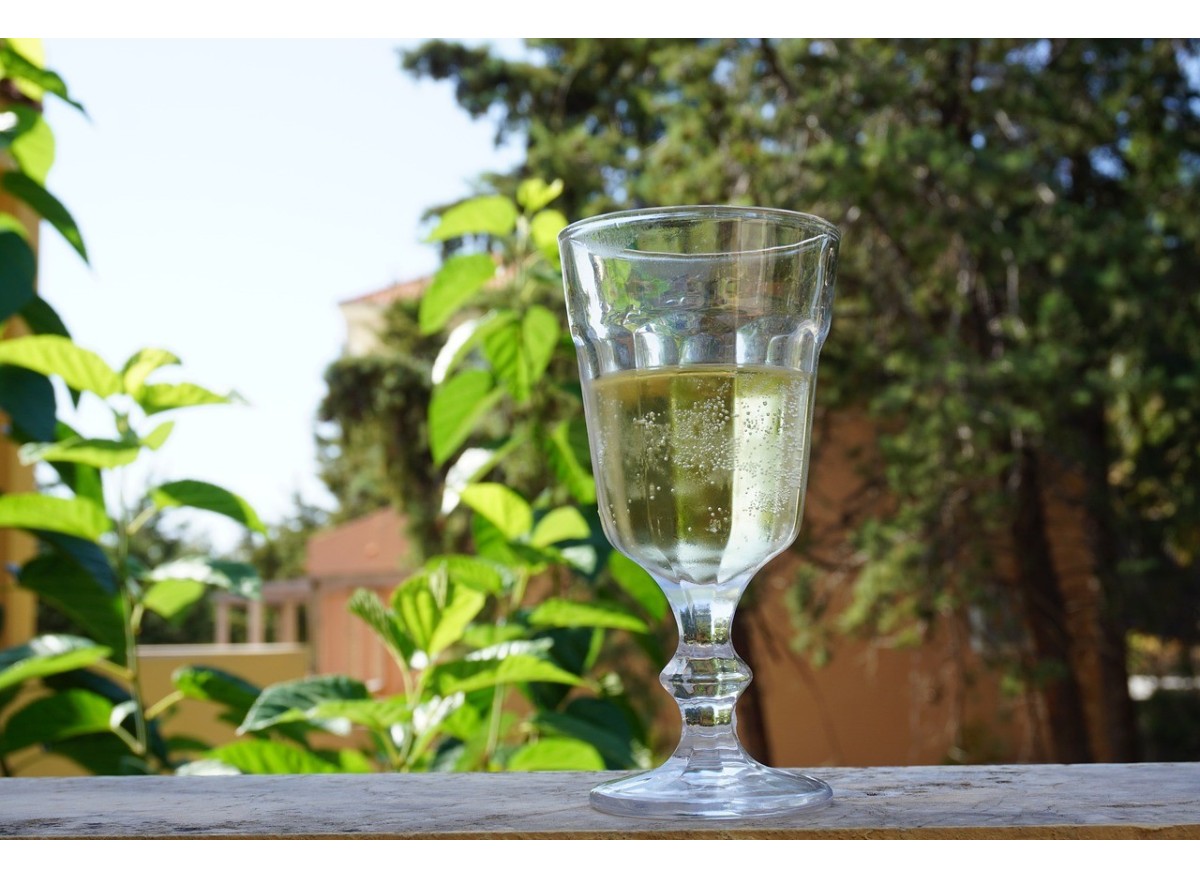
Welcome, wine lovers! At Vinozia, we want you to enjoy every glass to the fullest, so today we bring you a complete guide to discover the aromas and flavours hidden in every bottle. Learning to identify the different notes that open up to your nose and palate will not only broaden your wine experience, but will also allow you to choose the perfect bottle for every occasion, from a romantic dinner to an evening with friends.
The enjoyment of a wine is a sensory journey that begins with the sight. The colour of the wine tells us about its age, type of grape and winemaking process. A young red wine will have an intense red colour, vibrant and almost opaque, like fresh blood. Over time, this colour will evolve into ruby, garnet and finally, russet or reddish-brown tones. White wines also reveal their history through their colour. From the pale yellow of a young Sauvignon Blanc to the bright gold of an aged Chardonnay, each shade has its own story to tell.
Next, we enter the fascinating world of smell. The nose is the gateway to the aromas of wine, a complex and nuanced universe. To facilitate its identification, the "aroma wheel" has been created, a visual tool that classifies the notes in different families: fruits, flowers, spices, herbs, wood, earth and minerals.
Fruits give us aromas of strawberry, cherry, raspberry, blackcurrant, blackberry, blueberry, plum, apple, pear, peach, apricot, lemon, orange and grapefruit. Flowers lead us to a garden of delicate aromas such as rose, violet, jasmine, acacia, orange blossom, lavender, lily, narcissus and honeysuckle. The spices add aromatic complexity to the wine, with notes of cinnamon, cloves, black pepper, nutmeg, ginger, vanilla, liquorice, aniseed and cardamom.
The herbaceous notes are reminiscent of mint, mint, rosemary, thyme, laurel, coriander, eucalyptus, fennel and oregano. Wines that have spent time in oak barrels acquire aromas of fresh wood, cedar, tobacco, vanilla, coconut, caramel, toast, spices and hints of coffee. The earthy aromas are reminiscent of damp earth, forest after rain, wet earth, humus, moss, minerals and stone notes.
When tasting the wine, the mouth becomes the stage for a symphony of flavours. We will identify basic flavours such as sweet, sour, bitter, salty and umami, which mingle with the aromas perceived in the nose, creating a unique multi-sensory experience. The sweetness, coming from the residual sugars in the wine, gives us a pleasant and smooth sensation. Acid, present in all grapes, brings freshness, liveliness and complexity to the wine. Bitter, derived from tannins, gives an astringent sensation in the mouth, which can be pleasant or intense depending on the wine. Salty is a less common taste in wine, but can appear in wines with mineral or marine notes. Umami, the fifth taste, is described as a savoury, intense, umami taste, and can be found in wines with notes of meat, mushrooms or meat in sauce.
The sensation in the mouth, known as "feel", also plays a fundamental role. Tannins, which are natural compounds present in grape skins, seeds and stems, give us an astringent sensation, which can be smooth and pleasant, or intense and rough, depending on the concentration of tannins in the wine. Tannins are responsible for the structure and longevity of the wine, as they provide a feeling of body and tannins, and evolve over time, becoming softer and rounder.
The body of the wine refers to its mouthfeel, which can be light, medium or full. A light wine has a light mouthfeel, while a full-bodied wine is dense and full. The body of the wine is also related to the amount of alcohol, the presence of glycerin and the amount of tannins.
The diversity of the wine world is infinite, but we can group wines into a few main categories: red, white, rosé and sparkling. Each type of wine has its own aromatic and taste characteristics. Reds, such as Cabernet Sauvignon, Merlot or Tempranillo, usually have aromas of red and black fruits, spices, wood, leather and earth. The whites, such as Chardonnay, Sauvignon Blanc or Albariño, are characterised by aromas of citrus fruits, tropical fruits, flowers, herbs, minerals and notes of toast.
Rosés, such as Pinot Noir Rosé or Garnacha Rosé, have aromas of red fruits, flowers, spices and herbaceous notes. Sparkling wines, such as Champagne or Cava, are characterised by their bubbles, aromas of citrus fruits, white fruits, bread, brioche and hints of yeast.
To enjoy each glass to the fullest, it is important to serve the wine at the right temperature, observe its colour, inhale gently to appreciate the aromas, taste the wine in small sips and pay attention to the finish of the wine.
There are countless online resources and books specialising in the world of wine. You can also participate in online courses or tasting events to learn from experts and discover new experiences.
At Vinozia, we offer you a wide selection of wines from different regions and styles, so you can find the one that best suits your palate. Don't hesitate to visit our website and explore our catalogue!
Happy tasting!