




.png)

Discover the secrets of wine: From the vine to your glass
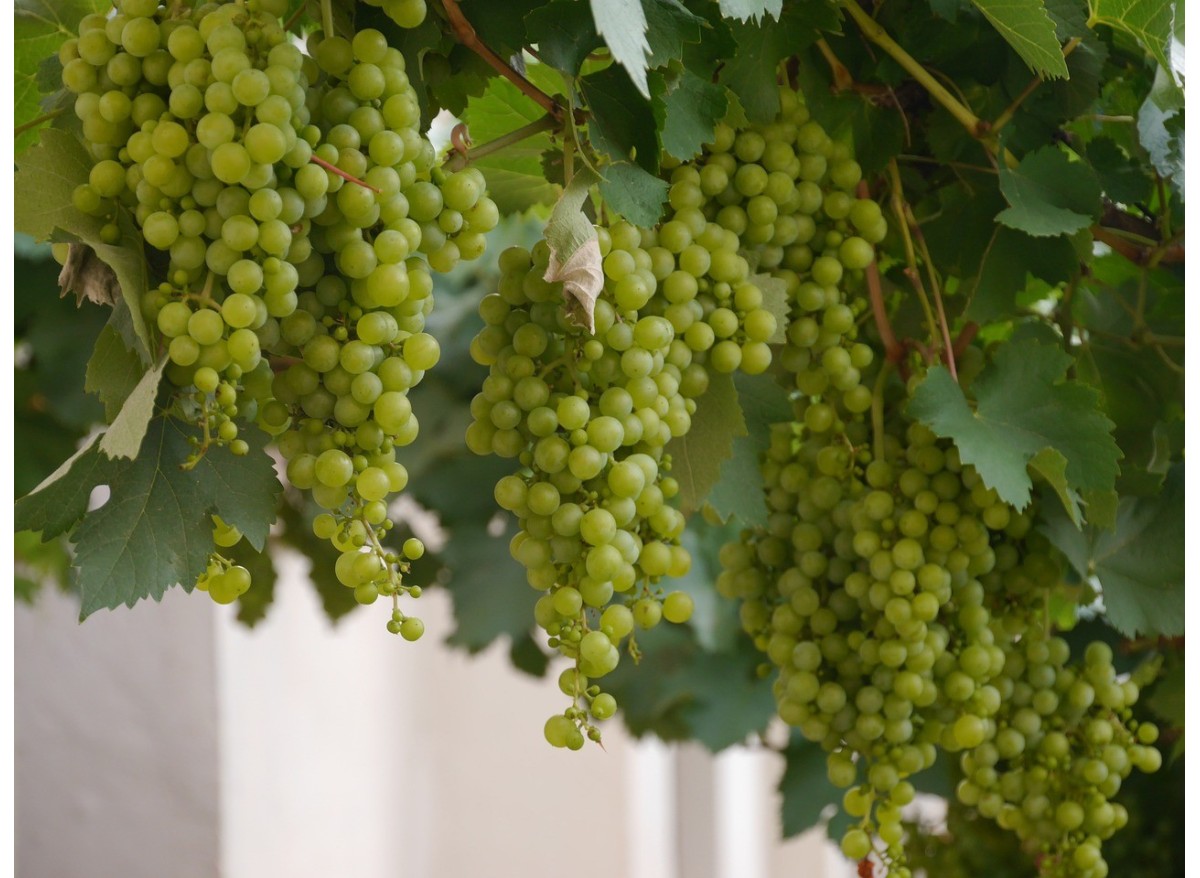
Embark on a fascinating journey to the heart of the world of wine, where we will reveal the secrets hidden behind each bottle, from the humble vine to the elegant glass that contains it. A journey that will take you through vibrant landscapes, ancestral traditions, and a universe of aromas and flavors that captivate the senses. Get ready to discover a world where nature, passion and dedication merge to create unforgettable experiences.
Wine: An ancient art
Wine, an elixir that has accompanied humanity since time immemorial, is a reflection of the culture, history and tradition of each region. It is not just a drink, it is an art, an expression of the land, the climate and human ingenuity.
Chapter 1: The Vine, A Canvas of Beauty and Flavor
The journey of wine begins with the vine, a living being that transforms into nature's canvas, painting a spectacle of beauty and flavor with each bud, each leaf and each fruit. The vineyard, a stage where an ancestral life cycle develops, a dance between the earth, the sun, the rain and man.
1.1 Terroir: The Digital Footprint of the Earth
Terroir, a concept that encapsulates the unique essence of a place, is the combination of geographic and climatic factors that influence the quality of wine. Each wine region has its own terroir, a fingerprint that is imprinted on the wine, creating distinctive flavors and aromas, an indelible mark of its origin.
The Soil: The Base of Life: The soil is the vital base of the vine, providing essential nutrients and minerals that are reflected in the flavor and structure of the wine. Clay, limestone, granitic or sandy soils, each with its unique composition, give rise to wines with unique characteristics.
Climate: A Master of Ripening: The sun, rain and temperature are the masters of grape ripening, directly influencing its sugar, acidity and concentration of aromas. Hot, dry climates produce wines with more body and concentration, while cool, humid climates produce lighter, more aromatic wines.
Topography: The Play of Light and Height: Altitude, the orientation of the slopes and exposure to the sun are factors that also shape the character of the wine. Vineyards located on sunny slopes receive more light, producing wines with more concentration, while vineyards in cooler valleys produce wines with higher acidity.
The Man: The Artist of the Terroir: The man, with his ancestral wisdom, is the artist who takes care of the vineyard, controlling the pruning, the harvest and the production of the wine, leaving his mark on each bottle.
1.2 The Grape: The Heart of Wine
The grape, fruit of the vine, is the heart of wine, the raw material that is transformed into a unique elixir. Each grape variety has its own aromatic profile, its unique characteristics that are transmitted to the wine, creating a universe of flavors and aromas.
Red Varieties: Cabernet Sauvignon, Merlot, Tempranillo, Pinot Noir, Syrah, Nebbiolo, Garnacha, are just some of the best-known red varieties in the world. Each of them brings its own stamp to the wine, with distinctive flavors, colors and textures.
White Varieties: Chardonnay, Sauvignon Blanc, Riesling, Pinot Grigio, Albariño, each white variety offers a symphony of flavors, with floral, fruity, citrus aromas, and acidity levels that determine the personality of the wine.
1.3 The Harvest: The Harvest of Flavor
The grape harvest, the harvest of the grapes, is the crucial moment where the quality of the wine is defined. It is decision time, where the winegrower's experience determines when the grape has reached its maximum potential for flavor and aromas. The harvest is carried out manually or mechanically, adapting to the characteristics of the vineyard and the grape variety.
Chapter 2: Vinification: The Birth of Wine
Winemaking, the process that transforms grapes into wine, is an ancient art, a set of techniques that have been perfected over the centuries, a symbiosis of ancestral knowledge and constant innovation.
2.1 Fermentation: The Magic of Transformation
Fermentation, a magical process where natural yeasts convert grape sugars into alcohol and carbon dioxide, is the heart of winemaking. A chemical dance that gives rise to the formation of the aromas and flavors that distinguish the wine.
2.2 Parenting: The Kiss of the Oak
Crianza, the process of aging wine in oak barrels, is an art that is based on the interaction between wine and wood. The barrels provide complex aromas and flavors to the wine, creating a symphony of nuances. The aging time varies depending on the type of wine and the style of the winery.
Chapter 3: The Art of Tasting, A Sensory Journey
Wine tasting is a sensory experience that awakens the senses, a journey that transports us to a world of aromas, flavors and textures. It is a time to appreciate the harmony of wine, to discover its secrets and let it take us to a universe of sensations.
3.1 Sight: The First Charm
The first encounter with wine occurs through sight. Its color, intensity and brightness give us clues about the age of the wine, the grape variety, and the type of aging.
3.2 Smell: The Deployment of Aromas
Smell is the most important sense in wine tasting. The aromas of the wine unfold on the nose, revealing a universe of flavors, such as fruits, flowers, spices, herbs, wood, earth and minerals.
3.3 Taste: The Symphony of Flavors
Taste is the sense that allows us to experience the intensity and harmony of wine. The flavors of the wine unfold on the tongue, revealing a world of nuances: sweetness, acidity, bitterness, saltiness, umami.
3.4 The Texture: The Dance of Wine in the Mouth
The texture of the wine is perceived in the mouth, giving us information about its body, its tannins, and its acidity. A full-bodied wine is a dense wine, with pronounced tannins, while a light wine is fresher and less intense.
3.5 The End: The Echo of Flavor
The finish of the wine is the persistence of the aromas and flavors in the mouth. A long and complex finish indicates the quality of the wine.
Chapter 4: A World of Flavors, An Endless Journey
The world of wine is a universe of possibilities, a symphony of flavors that constantly expands. There are thousands of varieties of wine, each with its own character and its own secrets.
Red Wines: Red wines, with their intense color, robust structure, and aromas of red and black fruits, spices, and wood, are a hymn to passion and intensity.
White Wines: White wines, with their pale color, freshness, and aromas of white fruits, citrus, flowers, and herbs, are a toast to elegance and softness.
Rosé Wines: Rosé wines, with their delicate pink color, freshness and aromas of red fruits and citrus, are a celebration of versatility and delicacy.
Sweet Wines: Sweet wines, with their natural sweetness, aromas of candied fruits, and intense flavors, are a tribute to sweetness and exquisiteness.